
Julia Skipper
ABOUT AUTHORLorem ipsum dolor sit amet consectetur. Nulla et fermentum et eget id convallis commodo a nec.
A blocked toilet is a common and stressful problem for Canberra and ACT residents, especially for DIYers who want to fix it quickly and avoid costly plumbing bills. Knowing how to unblock a toilet can prevent water damage, save you money, and restore your bathroom to normal in under an hour. This guide is designed specifically for Canberra/ACT homeowners and renters, and covers both DIY methods and when to call a professional plumber.
If you’re searching for “how to unblock a toilet,” you’ll find step-by-step instructions for the most effective methods: dish soap and hot water, hot water only, baking soda and vinegar, using a flange plunger, a toilet auger, a wet/dry vacuum, and the plastic bottle trick. We’ll also help you decide which method to use for your situation, and when it’s time to escalate to a professional.
Use this table to quickly find the right method for your situation:
| Situation | Recommended Method | When to Use | Key Facts |
| Minor clog, no tools | Dish soap + hot water | First attempt for soft blockages (toilet paper, waste) | Lubricates and helps blockage slide through pipes. |
| Minor clog, no dish soap | Hot water only | If you don’t have dish soap, for soft blockages | Hot water helps break down waste and paper. |
| Prefer natural/low-chemical solution | Baking soda + vinegar | For organic clogs, if you can wait 20–30 minutes, that’s typically fine unless you’re also experiencing no hot water, which could indicate a different plumbing issue. | Chemical reaction helps break down clogs. |
| Have a plunger (flange type) | Flange plunger | Most clogs, especially if above methods fail | Ensure water covers plunger, create tight seal, pump 10–20 times. |
| Clog is deep or plunger fails | Toilet auger (toilet snake) | Stubborn or deep blockages | Feed auger, turn handle clockwise, push/pull to break up or hook blockage. |
| Suspect solid object (toy, toothbrush, etc.) | Wet/dry vacuum | When you need to retrieve, not push, a solid object | Use controlled suction to remove object. |
| No plunger, need extra pressure | Plastic bottle trick | If you don’t have a plunger, to create pressure and dislodge blockage | Cut bottom off bottle, fill with warm water, push to force water through trap. |
| Multiple drains slow/gurgling, repeated failure | Call a plumber | If DIY fails, bowl overflows, or multiple fixtures affected | Indicates deeper issue; forcing can damage pipes. |
Key Tools You’ll Need:
Before you start any DIY method, take these steps to prevent overflow and set up a safe, clean workspace:
If the bowl is actively rising or threatening to spill, it’s often cheaper and safer to stop here and call a professional plumber.
Understanding the cause of your blocked toilet helps you choose the right fix. Here are the most common reasons:
Now that you know the common causes, let’s look at the easiest DIY methods to clear a blockage.
If you’re facing a blocked toilet, start with these general, tool-free methods before moving on to tools.
Why it works: Dish soap lubricates the pipes and helps the blockage slide through, making it easier to clear soft blockages like excess toilet paper.
Steps:
Transition: If this doesn’t work, try the hot water method alone or move to the next DIY solution.
Why it works: Pouring hot water into the toilet bowl can help clear minor blockages by breaking down waste and toilet paper.
Steps:
Transition: If the blockage remains, try a natural solution like baking soda and vinegar.
Why it works: Baking soda and vinegar create a chemical reaction that helps break down toilet clogs, especially organic material.
Steps:
Transition: If these no-tool methods don’t work, it’s time to try a plunger or other tools.
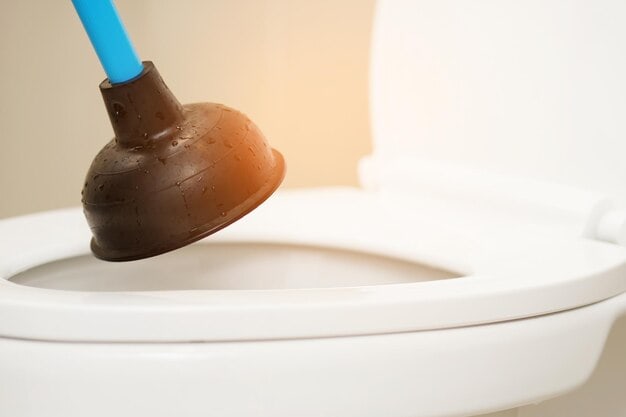
A flange plunger is a type of plunger with a rubber sleeve designed specifically for toilets. It creates a tight seal in the toilet drain for effective plunging.
Steps:
Transition: If plunging doesn’t clear the clog, move on to deeper-reaching tools like a toilet auger.
A toilet auger is a specialised tool designed to reach and remove deeper blockages in toilets. It has a flexible cable and a handle for turning and breaking up clogs.
Steps:
Transition: If the auger doesn’t work, or you suspect a solid object, try a wet/dry vacuum or the bottle trick.
A wire coat hanger can be used as a makeshift plumbing snake to break up stubborn blockages in a toilet.
Steps:
Transition: If you suspect a solid object is causing the blockage, use a retrieval method instead of pushing it deeper.
A wet/dry vacuum can be used to suck out solid objects stuck in the toilet, such as toys or toothbrushes.
Steps:
Transition: If you don’t have a plunger and need extra pressure, try the plastic bottle trick.
Why it works: Using a plastic bottle filled with warm water can create pressure to dislodge a blockage in the toilet.
Steps:
Transition: If none of these methods work, or if you notice multiple drains are slow or gurgling, it’s time to call a plumber.
Stop and call a professional plumber if:
Chemical drain cleaners should only be used as a last resort for stubborn clogs, as they can damage pipes and harm the environment. If DIY methods and safe tools fail, it’s best to consult a professional plumber to avoid further damage to your plumbing system.
Continuing to force a toilet clog can damage pipes or fittings, turning a relatively small job into a much more expensive repair.
Preventing toilet clogs is easier and less stressful than dealing with a blockage. To keep your toilet running smoothly, only flush human waste and toilet paper. Avoid flushing non-flushable items like wet wipes, paper towels, and feminine hygiene products to reduce the risk of clogs. Using excessive toilet paper can lead to blockages, so it’s advisable to use less and flush smaller amounts. Regular maintenance and mindful flushing habits can help avoid severe clogs in toilets. Educating household members about what should and shouldn’t be flushed can help prevent toilet clogs. For more information, learn about the early signs of blocked drains to catch plumbing issues before they become serious.
If your toilet is overflowing, repeatedly blocking, or DIY methods for plumbing issues (including draining your swimming pool) haven’t worked, Canberra Plumbing & Drains can help with fast diagnosis and safe clearing—without risking damage to your pipes. Call now or book online for blocked toilet assistance.
Start by stopping overflow risk (turn off the stop valve), especially if you suspect a badly clogged toilet—signs include rising water levels, slow drainage, or potential overflow. For a badly clogged toilet, use a flange plunger with a proper seal and 10–20 vigorous pumps. If plunging fails after two attempts, escalate to a toilet auger to break up the stubborn blockage.
Yes—the dish soap trick, which uses dishwashing liquid and hot water, is a commonly recommended method because it lubricates the pipes and helps the blockage slide through.
This is a popular DIY option for organic clogs and is widely recommended in step-by-step guides; the vinegar mixture (baking soda combined with vinegar) fizzes and can help loosen material before flushing. If the blockage remains, you can add more baking soda and repeat the process. This natural method is an effective alternative to harsh chemical cleaners, which can harm pipes and the environment.
If you need to unblock a toilet without a plunger, start by pouring dish soap and hot water into the bowl—this is a common way to unclog a toilet without special tools. If that doesn’t work, try the plastic bottle pressure trick as another method to unblock a toilet without a plunger. As a last DIY step, consider using a toilet auger. If none of these methods clear the clog, it’s time to call a plumber.
A flange plunger (toilet plunger) is usually best because it seals into the toilet drain opening better than a flat cup plunger.
A wire hanger can work as a makeshift snake for unclogging a toilet. Straighten the wire hanger and carefully insert it into the drain to break up or remove the blockage, being gentle to avoid scratching the porcelain. If you prefer a proper plumbing tool, toilet snakes and augers are available at hardware stores; several guides include both methods with cautions.
If you notice a slow draining toilet, multiple blocked toilet drains, hear gurgling, or experience recurring blockages, these can be signs of a deeper issue within your plumbing system. In such cases, the problem may extend beyond the toilet trap and require professional drain equipment to properly diagnose and resolve the issue.
Only flush pee, poo and toilet paper; Sydney Water specifically warns about non-flushables like wet wipes, baby wipes, and cotton balls, as these items do not break down in water and are linked to blockages. Excessive toilet paper can also cause clogs—if you need to use more, flush multiple times to help prevent blockages.