
Julia Skipper
ABOUT AUTHORLorem ipsum dolor sit amet consectetur. Nulla et fermentum et eget id convallis commodo a nec.
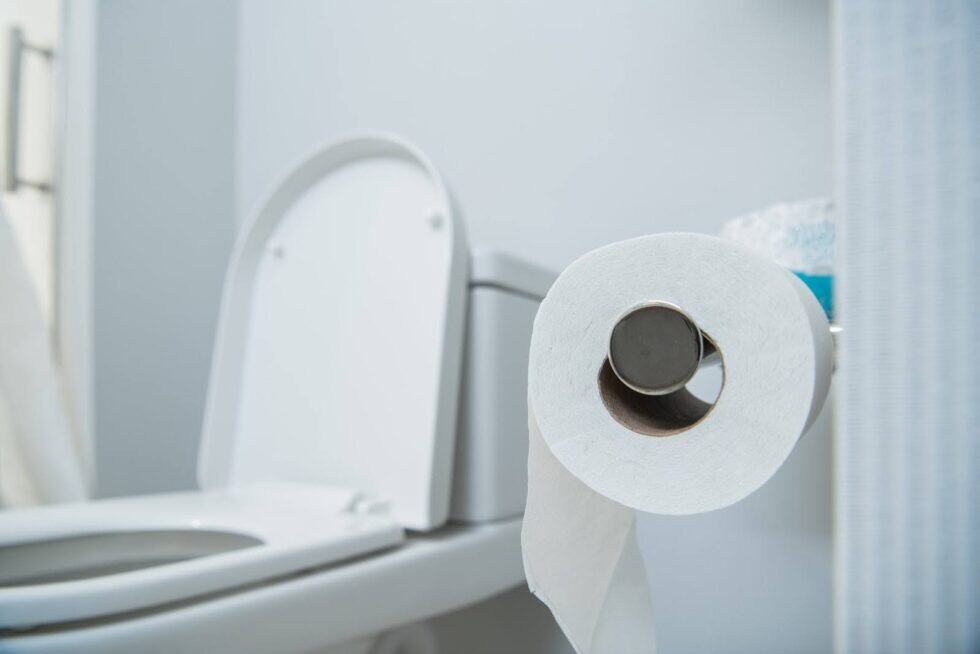
Imagine this scenario: you’re rushing around in the morning, barely awake, and suddenly your toilet is overflowing. Panic sets in fast. The culprit? A mass of toilet paper clogging the pipes. Unfortunately, toilet paper clogs are all too common across Australian households.
Australians are heavy users of toilet paper, with each person consuming about 88 rolls every year. It’s no surprise that with this much toilet paper going down our toilets, blockages can become frequent and frustrating. Sydney Water alone spends around $27 million each year clearing approximately 20,000 sewer blockages, not all caused by toilet paper, but clearly indicating the severity of clogs in our plumbing systems.
The good news is toilet paper blockages aren’t usually complicated. With the right information, they’re often easy to manage, fix, and even prevent. This article gives you everything you need to handle toilet paper clogs with confidence, keeping your bathroom stress-free.
It’s confusing: toilet paper is specifically made to flush away. So why does it clog toilets so often? There are a few main reasons behind this frustrating plumbing issue.
Overloading the toilet with a large bundle of paper at once can easily overwhelm the plumbing. Toilet paper dissolves, but when a large amount enters the toilet bowl, it can form a dense blockage that traps water. This issue commonly occurs in families with children who might enthusiastically unravel a roll or two into the bowl.
Modern Australian toilets often feature dual-flush systems designed to conserve water, typically using only 4.5 litres for a full flush and around 3 litres for a half flush. These systems are effective for liquid waste but might struggle with substantial amounts of paper, causing a phenomenon plumbers call “stranding.” This is where the toilet paper becomes stranded within the pipes because of inadequate water force. Households with newer, water-saving toilets often encounter this issue, particularly when a half flush is mistakenly used for solid waste or heavy paper loads.
Sometimes, it’s not your toilet paper usage causing the blockage but the plumbing itself. If the pipes are poorly angled, laid too flat, or excessively steep, toilet paper can collect rather than flow away efficiently. Older properties might also feature narrower pipes, or fittings like offset pan collars that create obstructions, catching toilet paper as it passes.
Plush, quilted toilet papers feel great to use, but they pose an increased clogging risk. Because they’re thicker, these papers dissolve much more slowly and can expand when soaked, leading to more stubborn blockages. Plumbers often find luxury toilet paper responsible for repeated clogging, advising homeowners to consider less dense alternatives if blockages occur regularly.
Not all toilet papers dissolve equally or quickly. Choosing the right kind for your plumbing can dramatically reduce your risk of toilet blockages. Here’s a practical guide to understanding different toilet paper types and their likelihood to clog your toilet:
| Toilet Paper Type | Comfort | Dissolvability | Clog Risk |
| 1-Ply (thin) | Basic comfort, usually requires more sheets | High – breaks down quickly | Low (with normal use) |
| 2-Ply (standard) | Reasonable comfort and moderate usage | Medium – dissolves fairly quickly | Medium (if excessively used) |
| 3-Ply/Quilted (thick) | Soft, plush, luxurious | Low – slow to break down | High (especially with heavy use) |
| “Septic Safe” (rapid dissolve) | Comfort varies, often thinner | Very high – dissolves rapidly | Very low |
| Wet Wipes (“flushable”) | Not traditional paper, designed for extra cleanliness | Very low – does not dissolve effectively | Very high (should never flush) |
Here are the next three sections of the article based precisely on your outline:
When a toilet paper clog strikes, it can feel stressful and overwhelming. Fortunately, most toilet paper clogs are manageable with some straightforward DIY methods. Below are clear steps to help you handle the situation without creating a mess.
Toilet paper is meant to dissolve in water. Minor blockages sometimes clear naturally if left alone for several hours, often within around 12 hours. This method works best if your toilet bowl isn’t overflowing and can hold water above the clog.
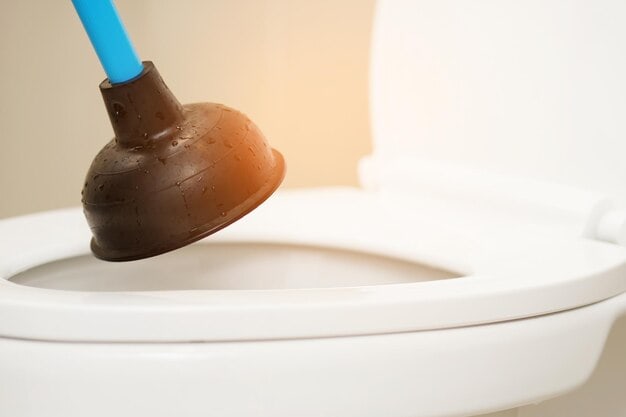
A plunger is your best friend when dealing with soft clogs like toilet paper. Here’s how to use one effectively:
If plunging doesn’t work, try hot water and dish soap:
Caution: Never use boiling water, as extreme heat can crack porcelain.
For tougher blockages, consider using a toilet auger (plumbing snake):
Stay clear of chemical drain cleaners, such as Drano, for toilets. These harsh substances can damage plumbing fixtures, pipes, and the porcelain bowl. They generate extreme heat when reacting with water, creating a risk of cracking your toilet.
Sticking to mechanical methods and gentle remedies keeps your toilet safe and clog-free.
Clearing a clog is useful, but preventing one in the first place is even better. Here are practical tips to keep your toilet clear of toilet paper blockages:
Adopting these simple habits greatly reduces the likelihood of future clogs, keeping your toilet functioning smoothly and your home stress-free.
Even with careful usage and preventive measures, sometimes toilet paper clogs indicate deeper plumbing issues. Knowing when to seek professional help ensures minor problems don’t escalate into expensive disasters.
If your toilet frequently clogs despite moderate use of toilet paper, there could be underlying plumbing issues such as pipe blockages, tree root intrusions, or damage to sewer lines. Professional plumbers can use CCTV inspections to identify and resolve these issues.
When plungers, augers, and hot water methods fail to clear a blockage, it’s a clear sign that professional intervention is necessary. Some blockages are simply too stubborn or located too far down the pipes to reach with home tools.
If other plumbing fixtures in your home, such as sinks or showers, start backing up or showing signs of slow drainage simultaneously, your home’s main sewer line might be blocked. This is beyond a standard toilet paper clog and requires immediate professional attention.
Attempting excessive force or using inappropriate DIY methods to clear tough clogs can damage pipes and fixtures. Using sharp objects or strong chemicals may lead to cracked porcelain or ruptured pipes, causing costly repairs and additional inconvenience. Professional plumbers have specialised tools and the knowledge to clear clogs without damaging your plumbing system.
If you’re located around Canberra, consider contacting Canberra Plumbing for prompt and professional service. Our team has extensive experience resolving stubborn toilet clogs and can help restore normal function quickly, safely, and effectively.
Seeking professional plumbing help early can save you money and significant hassle, ensuring your plumbing remains reliable and safe.
Following these practical tips ensures fewer toilet troubles, reducing inconvenience and unnecessary plumbing expenses.